
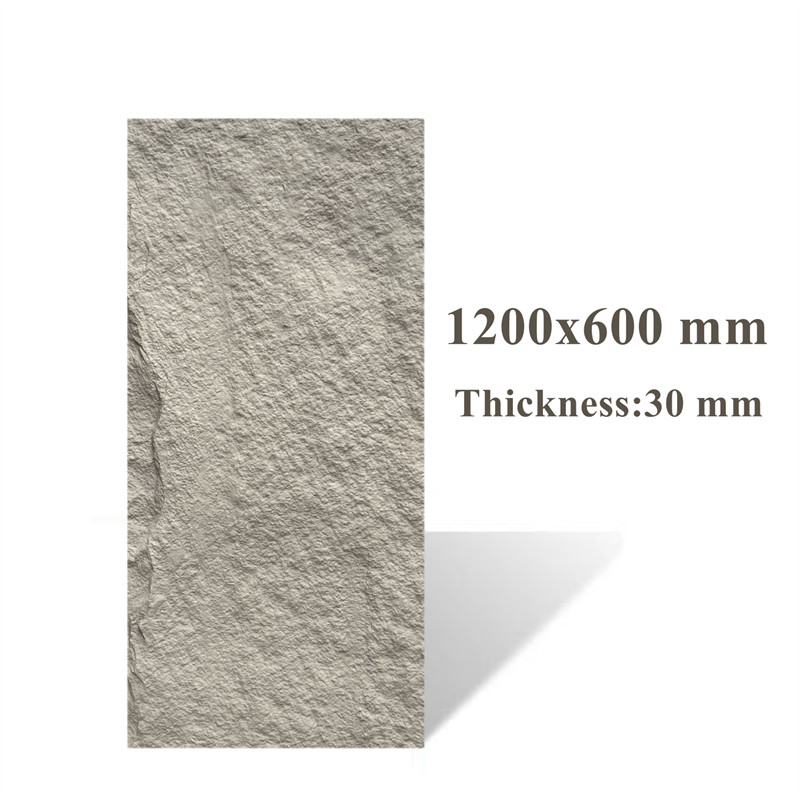
In the evolving world of construction and home improvement, selecting the right building materials is crucial for ensuring durability, aesthetics, and environmental sustainability. Among the innovative materials gaining widespread popularity is the WPC (Wood Plastic Composite) square hollow tube—a versatile product that has revolutionized both interior and exterior design applications. This article explores the key features, sizes, and benefits of WPC square hollow tubes, highlighting their role in modern building practices.
### Understanding WPC Square Hollow Tubes
WPC square hollow tubes are composite profiles made from a blend of wood fibers and thermoplastics. This unique combination offers the appearance and texture of natural wood while delivering the enhanced durability and low maintenance requirements of plastics. The hollow structure of these square tubes not only reduces weight but also improves strength-to-weight ratio, making them suitable for a wide range of structural and decorative uses.
### Standard Sizes and Dimensions
One of the important considerations when selecting WPC hollow tubes is size variety. Standard square hollow tubes typically come in various cross-sectional dimensions to meet the diverse needs of construction and design projects. Common size ranges include:
- 20mm x 20mm
- 30mm x 30mm
- 40mm x 40mm
- 50mm x 50mm
The wall thickness can vary depending on application needs but generally ranges from 2mm to 5mm. Custom sizes are often available from manufacturers to accommodate specific project requirements, ensuring maximum flexibility in design and installation.
### Features and Benefits
- **Durability and Weather Resistance:** WPC square hollow tubes are highly resistant to weather elements such as UV rays, rain, moisture, and temperature fluctuations. Unlike traditional wood, these tubes do not warp, crack, or splinter, which enhances their longevity when used outdoors.
- **Low Maintenance:** One of the biggest advantages of WPC products is their minimal upkeep. They do not require painting, sealing, or frequent treatments, saving time and costs over the life of the product.
- **Eco-friendly Composition:** Utilizing recycled wood fibers and plastics, WPC tubes contribute to sustainable construction efforts by reducing reliance on virgin timber and plastic materials.
- **Aesthetic Appeal:** The tubes offer a natural wood-like appearance with various texture and color options, allowing designers and homeowners to achieve the classic look of wood without its drawbacks.
- **Lightweight and Easy to Work With:** Thanks to their hollow structure, these tubes are lightweight, making transportation and installation easier compared to solid wood or metal alternatives.
### Applications of WPC Square Hollow Tubes
The versatility of WPC square hollow tubes enables their use across various sectors:
- **Outdoor Fencing and Railing:** Their robustness and weather resistance make them suitable for fences, deck railings, and garden trellises.
- **Furniture Manufacture:** They are used to frame outdoor furniture where durability and aesthetics are key.
- **Architectural Features:** Columns, beams, and decorative facades benefit from WPC’s strength and natural appeal.
- **Interior Design:** WPC tubes are increasingly used in partition walls, false ceilings, and framing for lightweight structures.
- **Signage Structures:** Their weatherproof nature allows for durable outdoor signage installations.
### Production and Quality Assurance
Leading manufacturers employ advanced blending and extrusion technologies to produce high-quality WPC hollow tubes. The raw materials—including wood flour or fibers combined with high-grade thermoplastics—are carefully processed to ensure consistent thickness, strength, and surface finish. Quality control measures typically include tests for mechanical strength, water absorption, UV stability, and fire resistance compliance, guaranteeing that products perform exceptionally across all intended uses.
### Company Profile Highlight
Shandong WALLART New Building Material Co., Ltd. is a prominent enterprise in the WPC and PVC product market. The company integrates product development, production, and sales, specializing in both interior and exterior WPC solutions. With a commitment to innovation and quality, the company continuously enhances its manufacturing process to meet the evolving demands of the building materials industry.
Their comprehensive product range, which includes WPC square hollow tubes, reflects a dedication to sustainable development and customer satisfaction. By blending natural wood fibers with environmentally friendly plastics, Shandong WALLART offers materials that combine durability, aesthetics, and ecological benefits.
### Market Trends and Future Outlook
As sustainable building practices gain importance globally, the demand for eco-friendly materials like WPC square hollow tubes is expected to increase. Innovations focusing on improved composite formulations, fire retardant properties, and even recyclability will further expand the applications of these products.
Moreover, the growing trend of modular construction and prefabricated building components favors the use of lightweight, durable materials such as WPC. Enhanced customization and the ability to produce varied sizes and finishes allow architects and designers to explore creative possibilities that meet both functional and aesthetic needs.
### Conclusion
WPC square hollow tubes represent a significant advancement in building materials, offering a practical alternative to traditional wood and plastic products. Their range of sizes, coupled with superior durability, weather resistance, and eco-friendliness, makes them ideal for a wide spectrum of applications in residential, commercial, and industrial projects.
Manufacturers like Shandong WALLART New Building Material Co., Ltd. are at the forefront of delivering innovative WPC solutions that cater to modern construction demands. As the industry continues to prioritize sustainability and efficiency, WPC square hollow tubes will undoubtedly play a vital role in shaping the future of building materials.